Why So Many Smile Makeovers Start with Veneers Oxnard CA
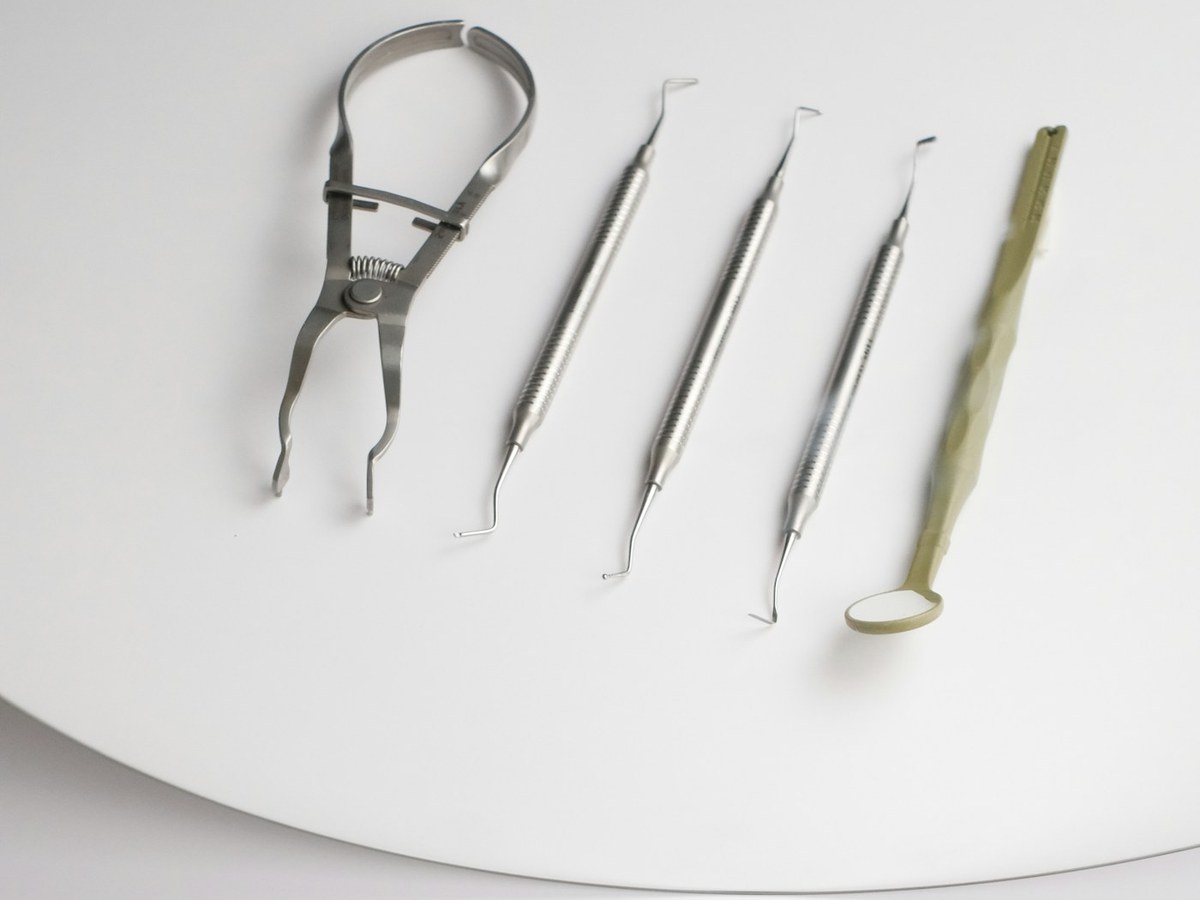
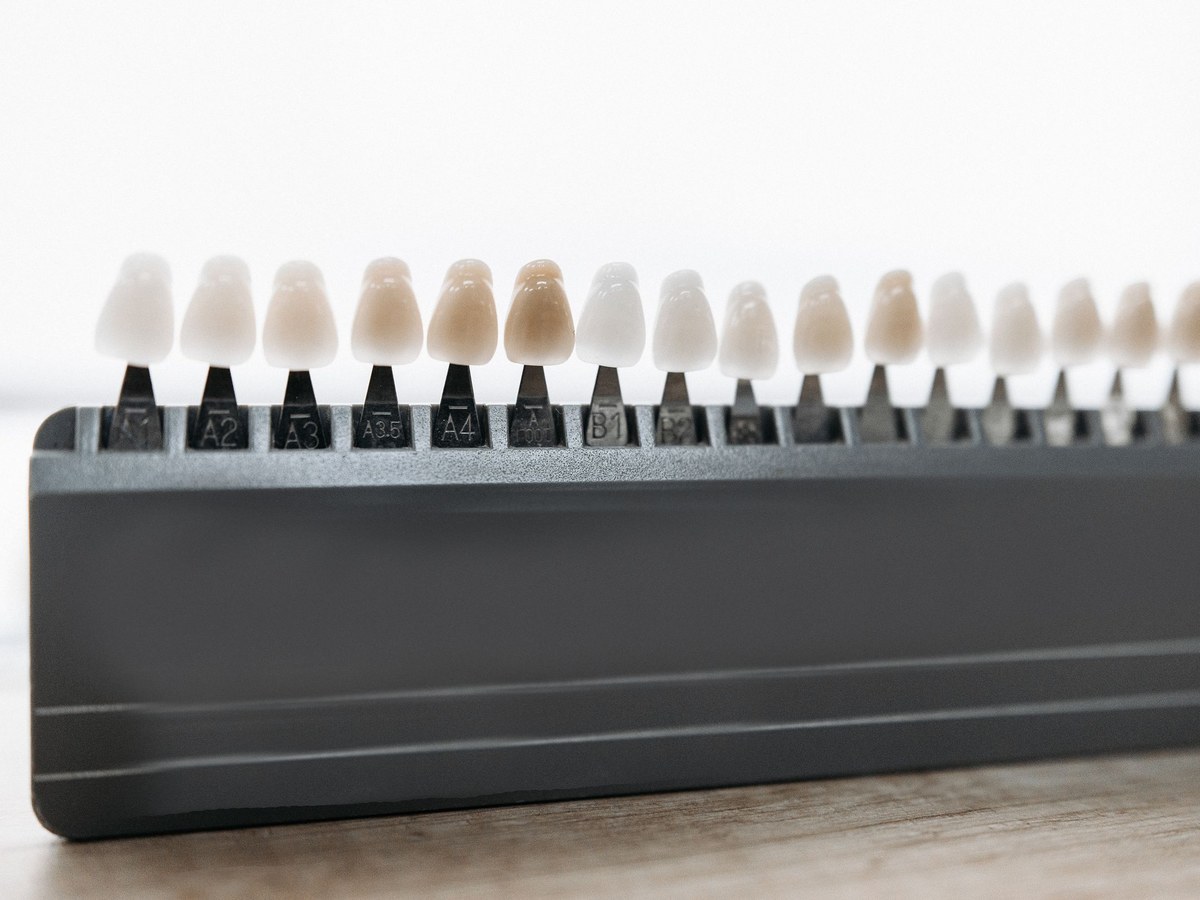
A smile makeover can involve several treatments, from whitening and orthodontics to bonding, gum contouring, crowns, and implants. Yet in many cosmetic cases, the conversation starts in the same place: veneers. That is not an accident, and it is not only about trend-driven aesthetics. Veneers sit at a useful intersection of beauty, efficiency, and control. They let a dentist reshape color, size, proportion, and symmetry in a way that few other treatments can match, especially when a patient wants a visible change without years of treatment.
That is a big reason so many people searching for Veneers Oxnard CA are not simply looking for a whiter smile. They are usually looking for a complete shift in how their teeth appear when they talk, laugh, or show up in photos. In practice, the concerns tend to cluster. A patient may have one dark tooth from an old injury, slight spacing in the front, edges that have worn down over time, and enamel that no amount of whitening will fully brighten. None of those issues alone may seem dramatic, but together they can make a smile feel tired or uneven. Veneers are often the first serious option because they address several cosmetic problems at once.
Why veneers become the starting point
When people hear the phrase “smile makeover,” they sometimes assume the process must be complex. In reality, the best cosmetic plans are often built around one treatment that does the heavy lifting. Veneers do that better than most alternatives because they can change what the eye notices first.
Most people do not study a smile tooth by tooth. They register the overall impression. Is it bright? Balanced? Natural? Youthful? Are the front teeth harmonious with the lips and face? Veneers are powerful because they influence that whole impression. A well-designed set can soften wear, close small gaps, improve minor crowding visually, and create a more even shape from one side to the other.
There is also a practical reason they come up early. Many cosmetic concerns are layered. Whitening can improve shade, but it cannot fix uneven edges. Orthodontics can straighten teeth, but it will not change tooth color or repair chips. Bonding can help with shape, but it may stain or require more maintenance over time. Veneers allow a dentist to manage several variables in one coordinated plan.
That does not mean veneers are always the right answer. It means they are often the treatment that most efficiently solves the specific mix of problems patients bring in.
The difference between improvement and transformation
A good cosmetic consultation usually begins with a simple question: are you looking for improvement, or are you looking for transformation?
Improvement can mean brightening the teeth a few shades, smoothing one chipped edge, or correcting a tiny space that only the patient notices. Transformation is different. That is the patient who wants their smile to look fresher on camera, less worn in professional settings, or more polished after years of making do with cosmetic imperfections they have never liked.
Veneers are more often tied to transformation because they offer a high level of design control. A dentist can refine length, surface texture, contour, translucency, and shade in a way that goes far beyond bleaching or spot repairs. When someone says, “I want my smile to look like the best version of itself,” veneers are often where that conversation goes.
In Oxnard, that matters because the patient population is broad. Some people want a very subtle result, something their friends cannot quite identify. Others want a brighter, more camera-ready smile that reads beautifully in person and in photographs. Veneers can be adapted to both goals. The difference lies in case selection, smile design, and restraint.
Veneers solve more than one problem at a time
This is the central reason veneers lead so many smile makeovers. They are not a single-benefit treatment.
A person may come in asking about stains. During the exam, it becomes clear that the more important issue is not color alone. The front teeth may be slightly narrow, creating dark spaces near the corners of the smile. The incisal edges may be flattened from grinding. One lateral incisor may sit a little behind the others, making the smile line look uneven. Whitening will not address those problems. Veneers can.
Another common example is the patient with old bonding on the front teeth. Bonding can be an excellent conservative option, especially for smaller corrections, but over the years it may chip, dull, or pick up stain at the margins. If the patient has had multiple repairs and wants something more stable and more refined, veneers often become the logical next step.
Then there is the patient who had braces as a teenager, but still dislikes the shape of the teeth themselves. Straight teeth do not automatically mean beautiful teeth. If the front teeth are short, worn, triangular, or uneven in color, alignment alone will not create the smile the patient wants. Veneers can finish what orthodontics could not.
Why they appeal to adults who want efficient change
Time matters. Many adults are not interested in spending eighteen months to two years in active treatment if their chief complaint is mostly cosmetic. They may be preparing for a wedding, a career move, public-facing work, or simply reaching a point where they are ready to address something that has bothered them for years.
Veneers are appealing in part because the timeline is relatively contained. The exact schedule varies by case, but many veneer treatments move from consultation to planning, preparation, temporaries, and final placement over a matter of weeks rather than years. For the right patient, that feels manageable.
Efficiency, however, should never be confused with rushing. The best veneer cases are carefully planned. Records matter. Photos matter. Bite analysis matters. Provisional restorations matter in many cases because they let the patient test-drive shape and length before the final ceramics are made. Fast is not the goal. Predictable is the goal.
That distinction is especially important in cosmetic dentistry because people live with these results every day. A slightly off shade or a smile line that is too flat may not seem significant from a technical standpoint, but patients notice. Good veneer work requires patience and judgment.
The role of porcelain in a natural-looking result
When veneers are done well, most people do not think “veneers.” They think the person has naturally beautiful teeth.
That effect comes from material choice and design. Porcelain reflects light in a way that can closely mimic enamel. It can be layered to create depth rather than a flat, opaque white. This is one reason experienced cosmetic dentists often favor porcelain veneers for visible front-tooth cases where realism matters.
Natural-looking smiles are not uniformly white or perfectly identical. Real teeth have slight variation in translucency and texture. They interact with light differently at the edge than they do near the gumline. A smile that is too monochromatic often reads as artificial even if the shape is technically good.
Patients exploring Veneers Oxnard CA often bring reference photos, which can be helpful, but those images need interpretation. A smile that looks attractive on one face may not suit another. Tooth proportions need to relate to lip posture, facial shape, age, skin tone, and even how much tooth shows at rest. A skilled cosmetic dentist pays attention to all of that.
What veneers can correct, and where they are not the best first move
Veneers are versatile, but they are not magic. That is where honest planning matters.
They can often help with:
- Discoloration that does not respond well to whitening
- Small to moderate chips and worn edges
- Mild spacing and minor alignment issues
- Teeth that appear undersized or misshapen
- Smile asymmetry in the visible front teeth
That range explains why veneers launch so many smile makeovers. A single treatment can address several common aesthetic complaints. Still, there are limits.
If a patient has significant bite problems, active gum disease, untreated decay, or heavy grinding with no management plan, veneers may not be the first step. If teeth are severely rotated or crowded, orthodontics may create a healthier and more conservative foundation first. If most of the visible tooth structure is already heavily filled or weakened, crowns may be more appropriate in certain areas.
The strongest cosmetic dentists are usually the ones willing to say no, or at least not yet. They understand that beautiful dentistry has to function.
Smile design is where the real work happens
People often talk about veneers as if the ceramic itself is the answer. It is not. The material matters, but design matters more.
A veneer case succeeds when the smile is planned with precision. That means evaluating midline, tooth proportions, gum levels, edge position, phonetics, bite relationships, and facial dynamics. It also means listening carefully to how the patient defines “natural,” “bright,” or “perfect.” Those words can mean very different things from one person to the next.
I have seen cases where the technical quality of the veneers was excellent, but the result still felt wrong because the teeth were too long for the face, too opaque for the age of the patient, or too square for the person’s features. Cosmetic dentistry is not just tooth repair. It is design with biological limits.
Temporary restorations often reveal a lot. A patient may think they want a dramatic change, then realize after a few days of wearing longer temporaries that they prefer a softer edge. Another patient may discover that the subtle version they initially chose disappears in photos. Those moments are useful. They help refine the final result before the porcelain is made.
Why local experience matters in cosmetic treatment
When patients search for Veneers Oxnard CA, they are not only looking for convenience. They are often trying to find someone who understands both the technical and personal sides of cosmetic care. Veneers are not a commodity. Two dentists can use excellent materials and still produce very different outcomes.
Local experience matters because it tends to shape process. An established cosmetic practice usually has a rhythm for records, photography, mockups, lab communication, and follow-up. Cases move more smoothly when the team is used to guiding patients through the emotional side of cosmetic treatment as well. That part is often underestimated. People can feel excited, nervous, skeptical, and highly detail-focused all at once.
It also helps when the dentist and lab have a strong working relationship. The best veneer cases are collaborative. The ceramist needs clear photos, shade information, design direction, and an understanding of what the patient values. If the goal is a believable result rather than a generic bright smile, those details become critical.
The conservative question patients should always ask
One of the most important questions in cosmetic dentistry is this: what is the most conservative treatment that will truly meet my goal?
Sometimes the answer is veneers. Sometimes it is not.
A patient with healthy enamel, mild shape issues, and small chips may do beautifully with bonding. A patient whose only concern is overall shade may be happy with whitening. A patient with more significant alignment concerns may benefit from orthodontics first, then perhaps limited cosmetic finishing later.
Veneers deserve their popularity, but they should never be presented as the answer to every cosmetic complaint. The right approach is individualized. A thoughtful dentist Veneers Oxnard CA will walk through alternatives, including where each option falls short.
That kind of conversation tends to build trust because it respects both aesthetics and tooth preservation. Patients usually appreciate hearing the trade-offs clearly.
The trade-offs people should understand before saying yes
Every meaningful cosmetic treatment carries trade-offs. Veneers are no different.
They are durable, but not indestructible. They resist stain better than bonding, but they can still chip under the wrong forces. They look beautiful, but they require meticulous planning. They can be life-changing for confidence, but they also represent a commitment to maintenance and future dental care.
The preparation required varies from case to case. Some veneer plans are quite conservative, while others require more reduction to create room for ideal contour and shade. That is one reason the initial condition of the teeth matters so much. The more a patient understands the biological starting point, the more realistic the treatment discussion becomes.
Patients should also know that matching one veneer to several untouched front teeth can be more difficult than it appears. In some situations, a single veneer is ideal. In others, treating a small group of visible teeth creates a more harmonious result. The number of veneers recommended should be based on smile display, color differences, symmetry, and the patient’s goals, not a one-size-fits-all formula.
Aesthetics are personal, not purely technical
One of the biggest misconceptions about veneers is that there is a single standard of beauty. There is not.
Some patients want Veneers Oxnard CA high brightness, very even edges, and a polished look that reads clearly in photos. Others want slight individuality, softer line angles, and a more understated brightness that blends seamlessly with the rest of the face. Age plays a role too. Extremely bright, uniformly perfect teeth can sometimes look disconnected on a mature face unless the design is handled carefully.
This is where communication matters as much as hand skills. A professional in cosmetic dentistry should be able to translate subjective goals into specific design decisions. “I do not want them too big” needs to become measurable changes in length and width. “I want them to look natural” needs to become decisions about translucency, texture, and shade transition. Without that translation, patients and dentists can think they agree when they actually do not.
How veneers fit into broader smile makeovers
Even when veneers are the anchor of a smile makeover, they are often not the only component. The most polished cases frequently combine treatments in a strategic order.
A patient may begin with gum contouring to improve the frame around the teeth. Another may need whitening on the lower teeth so the final upper veneers harmonize better. Someone with grinding habits may need a night guard to protect the investment after placement. A patient replacing an old crown near the front may need that crown updated so it blends properly with new veneers.
That is why “smile makeover” remains the better phrase in many cases. Veneers may lead the plan, but the final result often depends on how well they integrate with everything else.
What patients tend to notice after treatment
The obvious change is visual, but many patients talk about something broader. They smile sooner. They stop editing photos so carefully. They do not angle their face to hide one side. They laugh without covering their mouth. Those are not technical outcomes, but they are real outcomes.
The best veneer cases do not erase personality. They remove distractions. Instead of seeing a dark tooth, worn edges, or uneven spacing, people notice the person. That is a subtle distinction, but it captures why veneers are so often worth discussing early in cosmetic planning.
Choosing wisely matters more than choosing quickly
A smile makeover is rarely urgent, which is a gift. Patients have time to ask questions, compare options, and think clearly. That should be used well.
A smart consultation usually covers the following:
- What bothers you most, and what result would feel successful
- Whether whitening, bonding, orthodontics, or crowns are realistic alternatives
- How many teeth truly need treatment for balance in your smile
- What the preparation, temporaries, and final materials will involve
- How your bite and long-term maintenance affect the plan
Those conversations often clarify why veneers become the starting point. Not because they are trendy, but because they solve the actual problem more completely than simpler alternatives can.
For many patients considering Veneers Oxnard CA, that is the turning point. Once they understand how veneers can unify color, shape, proportion, and symmetry in one coordinated treatment, the logic becomes clear. Smile makeovers start there so often because veneers address the part of the smile people see first and remember most. When the case is well chosen and well designed, they offer one of the most direct paths from “something feels off” to “this finally looks like me, only better.”
Oxnard Dentistry
1730 E Gonzales Rd, Oxnard, CA 93036, United States
+1 805-307-8731
FAQ About Veneers Oxnard CA
How long do porcelain veneers last?
Porcelain veneers can last for many years, but they can chip, loosen, or wear over time. Their lifespan depends on factors such as your bite, whether you grind your teeth, and daily care. Regular dental visits let your dentist check their condition.
Are dental veneers permanent?
Traditional veneers often require removing a small amount of enamel, so that change to the tooth is generally irreversible. Veneers can still need repair or replacement. Ask your dentist how much preparation your teeth would require.
How much do veneers cost in Oxnard?
Cost depends on the material, how many teeth you want treated, and whether you need other dental work first. Ask for a written estimate that explains the price per tooth and what is included.