Veneers in Oxnard CA for a Camera-Ready Smile
A camera-ready smile is not about chasing perfection. It is about balance, proportion, light, and the way your teeth frame your face when you speak, laugh, or hold still for a photo. Veneers can play a major role in that transformation, especially for people who are tired of hiding one chipped front tooth, uneven edges, stubborn discoloration, or small gaps that seem to stand out in every close-up.
In a place like Oxnard, where professional headshots, family beach photos, weddings, graduations, and day-to-day social life often put people in front of a camera, cosmetic dentistry tends to become less abstract. Patients do not usually come in asking for "perfect teeth." They ask for teeth that look natural in sunlight, do not draw attention for the wrong reason, and still feel like their own smile. That distinction matters. Good veneers should not look pasted on. They should look as though you were born with better enamel.
When people search for Veneers Oxnard CA, they are usually trying to solve one of two problems. The first is aesthetic frustration that has built over years. The second is a looming event, perhaps an engagement shoot, job transition, reunion, or milestone birthday, that suddenly makes the smile issue feel urgent. Both are valid reasons to explore veneers, but the Veneers Oxnard CA timing, planning, and expectations should be different depending on which camp you are in.
What veneers actually change
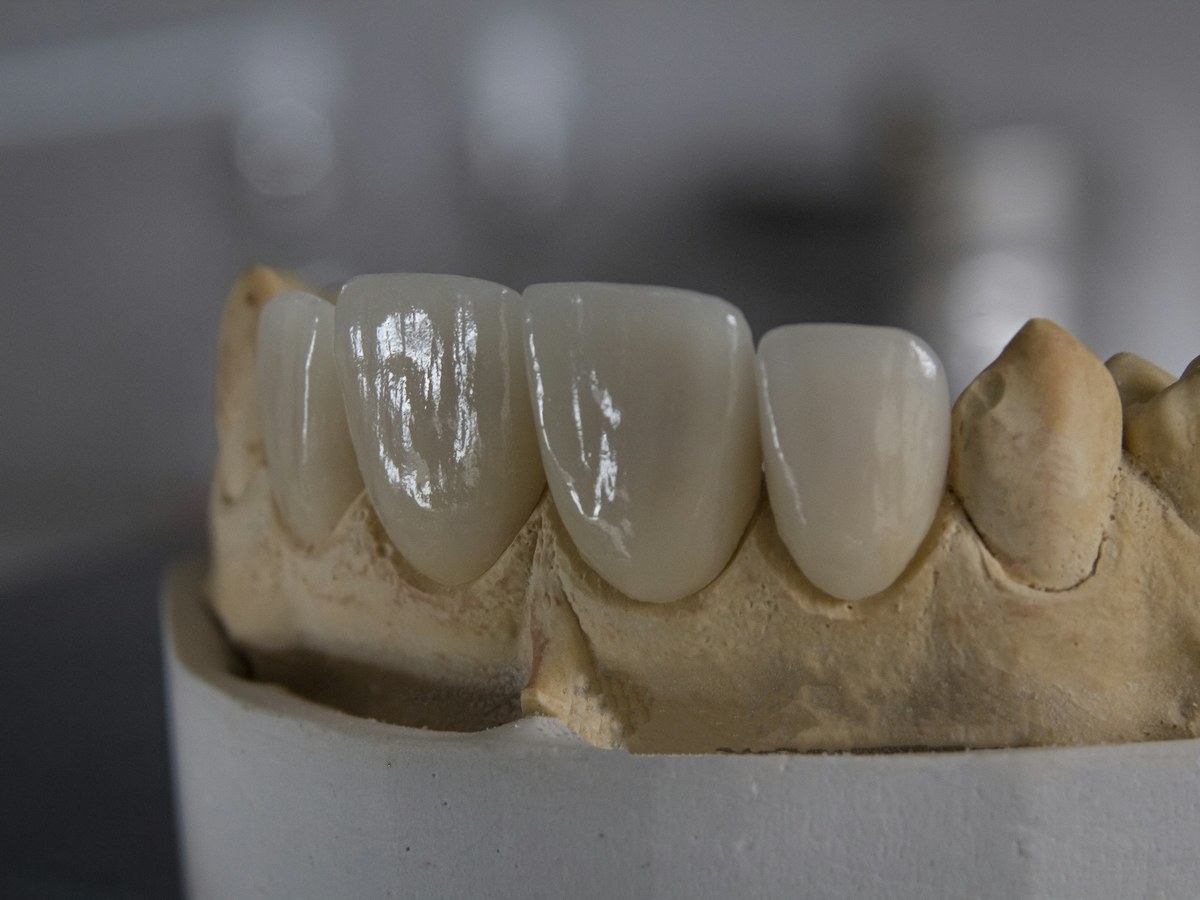
Veneers are thin restorations bonded to the front surface of the teeth, most often the upper front teeth that show when you smile. They are typically made of porcelain, though composite veneers are another option in some cases. Their job is to improve visible shape, color, proportion, and sometimes minor alignment concerns.
The reason veneers are so popular is that they can address several cosmetic issues at once. Whitening can brighten teeth, but it cannot correct worn corners or a narrow lateral incisor. Orthodontics can move teeth, but it will not erase deep intrinsic discoloration from trauma or certain medications. Bonding can reshape enamel, but it may not deliver the same translucency or long-term stain resistance as porcelain. Veneers sit at an interesting middle point. They are cosmetic, yes, but they are also architectural.
Done well, veneers alter more than just the teeth. They can soften a smile that feels harsh, support the lips better, make a face look more rested, and create a cleaner line across the incisal edges, which is often what people register first in photographs without realizing it.
That said, veneers are not a shortcut for every smile concern. They do not treat active gum disease. They do not cure grinding. They are not ideal for every bite. A skilled cosmetic dentist has to think beyond the before-and-after photo and ask whether the foundation is healthy enough to support a result that will last.
Why photographs reveal smile issues differently than the mirror
One of the more interesting things about cosmetic dentistry is how often patients say, "I did not notice it that much until I saw myself in pictures." That happens because the mirror is dynamic. You move, adjust, tilt your head, and unconsciously pick your best angle. A camera freezes the moment. It catches asymmetry, dark spaces, edge wear, and color variation that your brain usually edits out.
Certain flaws also read larger on camera than they do in person. A tiny chip on one central incisor can reflect light unevenly and make one front tooth seem shorter. A single darkened tooth, even if healthy, can become the focal point of a smile in flash photography. Mild crowding may look charming face to face, but when a high-resolution image flattens depth, overlap can suddenly appear more pronounced.
This is one reason veneer planning should include discussion about how you use your smile in real life. If you are on Zoom all day, perform on stage, work in sales, create content online, or simply know that photos matter to you, your dentist should account for that. The goal is not to create a smile only for the operatory mirror. It is to create one that holds up in daylight, indoor lighting, and digital images.
The people who tend to benefit most
Veneers are often best for patients who have healthy teeth and gums but want a meaningful cosmetic change. In practice, the strongest candidates usually have a clear reason for treatment and realistic expectations about maintenance and longevity.
Here are common situations where veneers make sense:
- Teeth with chips, cracks, or worn edges that make the smile look aged
- Deep discoloration that does not respond well to whitening
- Small gaps or minor unevenness that do not require full orthodontic treatment
- Front teeth that are disproportionate, too small, or irregularly shaped
- A smile makeover goal where several visible issues need correction at once
A patient in their late thirties with old bonding on the front teeth is a classic example. The bonding may have stained, chipped, and been repaired more than once. Veneers often provide a cleaner, more durable refresh. Another common example is someone who had braces years ago, now has relatively straight teeth, but still feels the smile looks dull or uneven because of enamel wear and discoloration. Veneers can be the finishing piece.
Veneers are not one-size-fits-all
People sometimes talk about veneers as though there is one standard treatment. There is not. The number of veneers, the material, the preparation style, and the design approach can vary a great deal.
Some patients need only two veneers to match the front teeth after an injury or color change. Others do best with six or eight upper veneers so the visible smile line looks harmonious from canine to canine, or premolar to premolar in broader smiles. The right number depends on how much of the teeth show when you smile, whether neighboring teeth already look ideal, and how visible the color transition would be if only a couple of teeth were treated.
Porcelain is often chosen because it reflects light in a way that resembles natural enamel and tends to resist staining better than composite. Composite veneers can be less expensive and more conservative in some cases, but they generally require more maintenance over time. They can be a reasonable option for selective improvements, younger patients, or people who want a more modest investment before committing to porcelain later.
Preparation is another important variable. Some veneer cases require removing a small amount of enamel so the restorations can sit naturally and not look bulky. Other cases may be extremely minimal-prep. The internet tends to oversimplify this, framing "no-prep" as automatically better. In reality, the best approach is the one that creates the most natural contour while preserving as much healthy tooth structure as possible. Overly bulky veneers can make lips feel crowded and teeth look thick, especially in profile.
What "natural-looking" really means
Many patients say they want white teeth, then immediately clarify that they do not want them to look fake. That is where cosmetic dentistry becomes equal parts science and restraint.
Natural-looking veneers have variation. They are not chalky, flat, or uniformly opaque. Real teeth have brightness, yes, but they also have depth, translucency at the edges, and subtle differences in how they catch light. Shape matters just as much as color. If the teeth are too square, too long, too symmetrical, or too bright for the person's face, the result can feel artificial even if the dental work itself is technically well made.
A camera-ready smile usually needs three things working together. The central incisors should have pleasing dominance without overpowering the face. The lateral incisors should provide softness and transition. The canines should support the corners of the smile without appearing too pointed or dark. When those proportions are right, the smile tends to photograph beautifully because the eye reads it as coherent.
Age also matters. A 22-year-old smile and a 58-year-old smile should not necessarily be designed the same way. Younger teeth typically show a bit more texture and edge translucency. Mature smiles may benefit from slightly softer contours and a level of brightness that looks healthy without appearing disconnected from the complexion. Experienced cosmetic dentists pay attention to that nuance. They are not just selecting a shade tab. They are designing harmony.
The process, from consultation to final photos
Most veneer cases begin with conversation, not drilling. The consultation should cover what bothers you, what you like in other smiles, whether you grind your teeth, whether you have had whitening before, and what kind of timeline you are working with. If you are aiming to be event-ready, mention the date early. Cosmetic cases should not be rushed at the last minute if you want refined results.
Records usually include photographs, digital scans or impressions, and an exam of the bite and gum health. In many cases, your dentist may recommend whitening lower teeth or untreated upper teeth first so the final veneer shade can be chosen more accurately. If gums are inflamed, that issue should be handled before cosmetic work. Healthy tissue frames veneers better and makes the final result more predictable.
Then comes smile design. This stage can involve a wax-up or digital preview, though the exact method varies by office. What matters is that you and the dentist agree on direction before the final porcelain is made. Length, width, incisal shape, and brightness are easier to fine-tune in planning than after cementation.
If tooth preparation is needed, temporary veneers are often placed while the final restorations are fabricated. Temporaries are more important than many people realize. They are not just placeholders. They let you test speech, length, comfort, and overall appearance in daily life. A patient may discover, for example, that the proposed front edges feel a little too long when saying certain sounds, or that a tiny shape adjustment would better match the face. Those insights are useful and should be shared before the final porcelain is completed.
When the final veneers are ready, the try-in appointment allows evaluation of color, fit, contour, and overall expression. Once bonded, the veneers are polished and the bite is checked carefully. That bite check is not glamorous, but it matters. Even beautiful veneers can fail early if the bite forces are off.
Timing matters more than most people expect
If Veneers Oxnard CA you have a wedding, media appearance, or major family event, do not schedule veneer treatment two weeks before the date and hope for the best. While some cases move efficiently, cosmetic dentistry often benefits from breathing room. You want time for planning, temporaries, feedback, lab work, and any minor refinement that may improve the final outcome.
A reasonable planning window for porcelain veneers is often several weeks to a few months, depending on the complexity of the case, the condition of your teeth, and the schedule of the office and lab. Some cases move faster, especially when only a small number of teeth are involved, but pressure is rarely a friend of aesthetics.
There is also an emotional side to timing. Even when the result is excellent, patients often need a short adjustment period because they have seen their old smile for years. The new look may be objectively better and still feel surprising for the first few days. If you are preparing for a highly photographed event, it helps to have your veneers placed with enough time that your smile already feels like your own by the time the cameras come out.
Cost, value, and what people are really paying for
Veneers are an investment, and most people know that going in. What is less obvious is what drives the cost. You are not simply paying for porcelain. You are paying for diagnosis, smile design, preparation skill, temporary fabrication, laboratory artistry, materials, bonding protocol, and follow-up care.
There can be a meaningful difference between a case that looks good at first glance and one that still looks good years later, in different lighting, from multiple angles, and under close inspection. The better work often reflects stronger planning and better collaboration between the dentist and the lab. This is especially true for front teeth, where small shape or shade errors become highly visible.
If budget is a factor, that is worth discussing honestly. Some patients phase treatment. Others choose fewer veneers combined with whitening or bonding. A thoughtful dentist should be able to explain options without making you feel pushed toward the most expensive plan. Cosmetic treatment is elective. You should understand the trade-offs before you commit.
How to choose a provider in Oxnard
Searching for Veneers Oxnard CA will pull up plenty of results, but the right fit is not always the practice with the flashiest marketing. Veneers are as much about judgment as they are about tools. You want a clinician who listens carefully, shows consistent aesthetic work, and explains why a certain approach suits your teeth rather than offering the same plan to everyone.
If you are evaluating providers, focus on questions like these:
- Do their before-and-after cases look natural across different patients, not identical from case to case?
- Will they assess bite, grinding, and gum health before recommending veneers?
- Do they provide temporaries or a mock-up stage so design changes can be tested?
- Can they explain why they recommend a certain number of veneers rather than a bigger case by default?
- What is their plan if you clench or grind at night?
That last point is worth emphasizing. In coastal communities, I have seen plenty of patients with surprisingly heavy wear patterns despite otherwise healthy teeth. Stress, fitness habits, sleep issues, and long-standing clenching can all show up in the smile. Veneers can still be a great option, but they need protection. Sometimes that means adjusting the bite carefully and prescribing a night guard after treatment.
Maintenance is simple, but it is not optional
Veneers do not require complicated care, but they do require disciplined care. Porcelain does not decay, but the tooth underneath still can if hygiene is poor. The edges where veneer meets tooth need to stay clean. Gums need to stay healthy. Habits matter.
Brush thoroughly, floss daily, keep up with professional cleanings, and avoid using your teeth as tools. If you crack pistachio shells with your front teeth, chew ice, or tear open packaging with your incisors, veneers will not reward that behavior. Neither will natural teeth, for that matter.
Grinding is the issue that tends to shorten the life of cosmetic work. Some patients know they grind. Others only discover it when they see flattened edges, jaw soreness, or fractured bonding. If your dentist recommends a night guard after veneers, that is not a hard sell. It is often a very practical form of insurance.
Longevity varies, and any dentist promising a fixed lifespan with certainty is oversimplifying. Some veneers look excellent well past a decade. Others need earlier attention due to wear, bite changes, gum recession, or accidental trauma. Much depends on case design, oral habits, and maintenance.
When veneers are the wrong answer
One of the best signs you are in a trustworthy office is hearing that veneers are not your best option. If your main complaint is simple tooth color, whitening may be enough. If crowding is more than minor, orthodontic treatment could preserve more natural tooth structure and create a better long-term foundation. If old fillings, decay, or gum disease are present, those issues should be handled first.
There are also cases where patients are chasing a look that will not serve their face. Overly white, oversized veneers can age a person visually rather than making them look refreshed. I have seen smiles lose character because every natural variation was erased. The strongest cosmetic results usually preserve some individuality. The point is not to look manufactured. It is to look healthy, rested, and unmistakably yourself.
The confidence piece is real
People sometimes feel almost embarrassed admitting how much their smile affects them. They should not. If you spend years smiling with closed lips, covering your mouth when you laugh, or asking photographers not to catch your teeth, that changes how you move through the world. Cosmetic dentistry can have a genuine psychological effect when it solves a long-standing insecurity.
The most memorable veneer cases are not always the dramatic ones. Sometimes it is the teacher who stopped angling her face away in staff photos. The real estate agent who felt more comfortable on listing videos. The father who had a front tooth repaired after an old sports injury and finally smiled normally in family pictures again. Those changes may sound small, but they are felt daily.
A camera-ready smile is not just about being ready for the camera. It is about no longer thinking about the camera at all.
Getting the best result from veneers in Oxnard CA
If you are considering Veneers Oxnard CA, take the time to approach the process thoughtfully. Start with a clear sense of what bothers you and what kind of result feels authentic to you. Bring photos if that helps, but use them as inspiration, not a template. Your facial features, lip movement, bite, and coloring are unique. Good cosmetic dentistry respects that.
Ask for a plan that explains not only what will be done, but why. Understand whether whitening, orthodontics, gum care, or bite protection should be part of the broader picture. Make sure you have enough time before any major event. And choose a dentist whose work shows restraint, consistency, and attention to detail.
When veneers are carefully planned and skillfully delivered, the result can be subtle in the best possible way. Friends may say you look great without immediately knowing what changed. Photos look easier. Smiling feels less self-conscious. The teeth look brighter, more even, and more alive, but still believable.
That is the real target. Not a generic celebrity smile, not a trend, and not a row of unnaturally white tiles. Just a smile that looks polished on camera, comfortable in person, and entirely at home on your face.
Oxnard Dentistry
1730 E Gonzales Rd, Oxnard, CA 93036, United States
+1 805-307-8731
FAQ About Veneers Oxnard CA
How long do porcelain veneers last?
Porcelain veneers can last for many years, but they can chip, loosen, or wear over time. Their lifespan depends on factors such as your bite, whether you grind your teeth, and daily care. Regular dental visits let your dentist check their condition.
Are dental veneers permanent?
Traditional veneers often require removing a small amount of enamel, so that change to the tooth is generally irreversible. Veneers can still need repair or replacement. Ask your dentist how much preparation your teeth would require.
How much do veneers cost in Oxnard?
Cost depends on the material, how many teeth you want treated, and whether you need other dental work first. Ask for a written estimate that explains the price per tooth and what is included.