How Veneers in Oxnard CA Can Correct Minor Alignment Issues
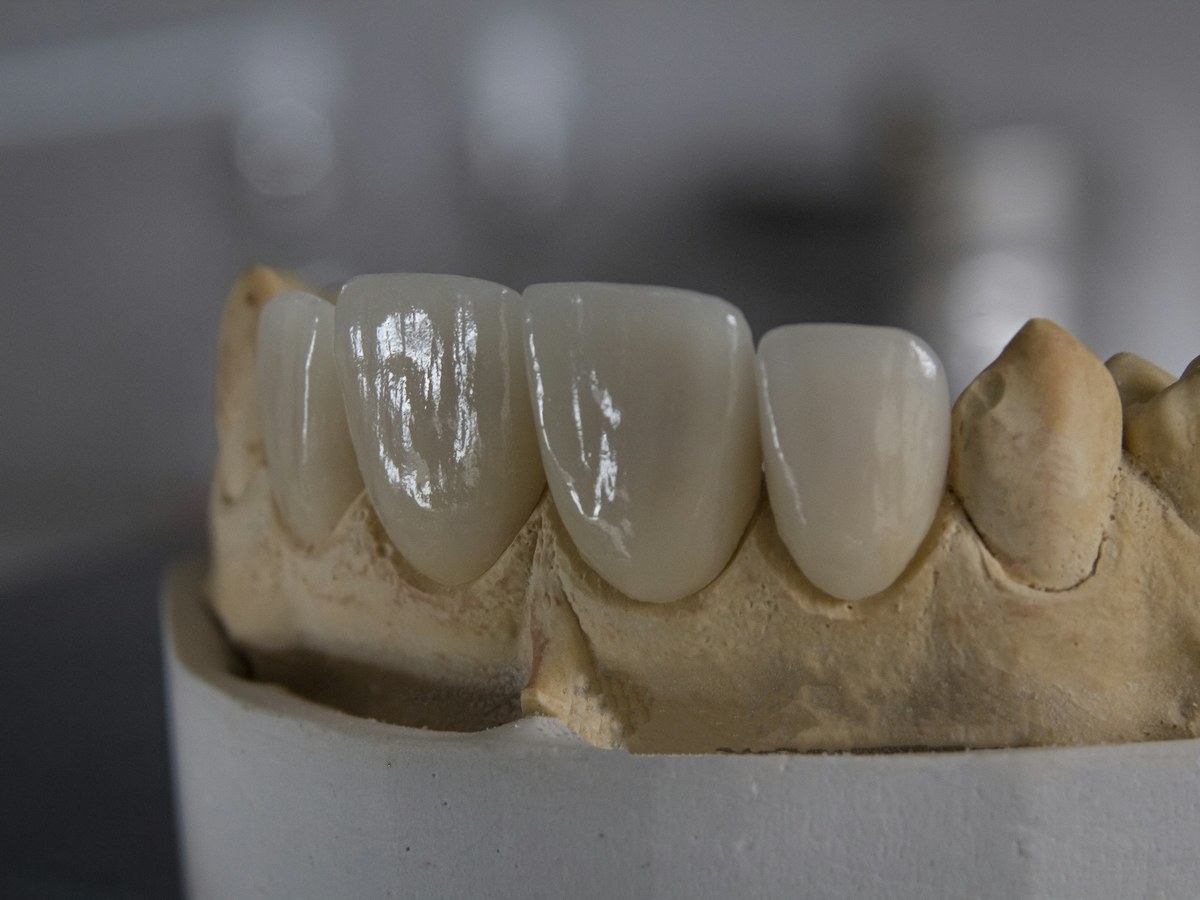
A lot of people use the word "crooked" when what they really mean is "not quite where I want it." In practice, that distinction matters. A tooth can be healthy, stable, and only slightly rotated or tucked behind its neighbor, yet still draw the eye every time someone smiles. For patients in that situation, veneers can sometimes create the appearance of straighter teeth without moving the teeth very much, or at all.
That is the key idea to understand before anyone starts talking about treatment. Veneers do not function like braces or clear aligners. They are not orthodontic appliances. They are thin porcelain shells bonded to the front of teeth, shaped and positioned to improve form, color, proportion, and visual alignment. When the alignment issue is minor, and when the bite is stable enough to support cosmetic treatment, veneers can be a smart, efficient option.
In a place like Oxnard, where patients often want natural-looking dental work that holds up under bright sunlight, close social interaction, and plenty of photographs, the details matter. Good veneer cases rarely look flashy. They look balanced. The smile feels calmer, more symmetrical, and more intentional. For the right patient, that can be more valuable than a dramatic transformation.
What veneers can actually fix
Minor alignment issues come in a few common forms. One front tooth may be slightly rotated. Another may sit a little farther back than the rest. A pair of lateral incisors may look undersized, creating uneven spacing that makes the central teeth appear misaligned. Sometimes the problem is not true crowding at all, but a visual imbalance caused by worn edges, chips, or inconsistent tooth shapes.
This is where veneers are useful. By changing the visible front surface of the teeth, a cosmetic dentist can modify width, contour, edge position, and the way light reflects off the enamel. Those small changes can make teeth appear straighter, even if their roots and underlying positions remain essentially the same.
That distinction is not marketing language, it is clinical reality. If a patient has a front tooth that is turned slightly inward, for example, a veneer can often be designed with a fuller facial contour so the tooth lines up visually with the neighboring teeth. If one tooth is slightly shorter or narrower, a veneer can restore proportion and make the entire smile read as more even. In many cases, what bothers the patient most is not the bite, but the look. Veneers address the look.
A common example is the patient who had braces as a teenager, stopped wearing retainers in college, and now has one or two lower or upper front teeth that drifted slightly. The shift may be small enough that they do not want a year of orthodontics, but obvious enough that it shows in every close-up photo. For that person, veneers may offer a cosmetic solution that fits better with their timeline and priorities.
The difference between visual alignment and actual tooth movement
This is where experienced judgment matters. Cosmetic dentistry can do a great deal, but it should not pretend to do something it cannot.
Braces and clear aligners move teeth through bone. Veneers reshape what the eye sees. If the concern is mild crowding, small rotations, or inconsistent tooth dimensions, veneers may be appropriate. If the issue is a crossbite, significant overlap, severe crowding, or a bite problem that causes wear and strain, veneers alone may be the wrong tool.
Patients often appreciate that distinction once it is explained plainly. They are not always asking for "perfectly straight teeth" in an orthodontic sense. More often, they want their smile to look polished and harmonious when they talk, laugh, or appear on camera. Those are two different goals.
A seasoned cosmetic dentist will usually study more than the front view before recommending veneers. The bite relationship, the patient’s chewing pattern, signs of grinding, gum symmetry, lip movement, and tooth thickness all affect whether veneers are likely to work well. A smile can look beautiful on a photograph and still fail clinically if the bite is not respected.
Why some patients in Oxnard prefer veneers over orthodontics
There is a practical side to this decision that does not get enough attention. Many adults are not comparing veneers to "doing nothing." They are comparing veneers to a year or more of aligners, repeated attachments, possible refinements, and the uncertainty of whether tooth shape issues will still need cosmetic work at the end.
In the real world, people weigh treatment around work schedules, social comfort, budgets, and the kind of result they want. A business owner who speaks with clients all day, a teacher, a real estate professional, or someone with a wedding or media event coming up may care as much about timing as they do about technique. For certain cases, veneers can deliver a straighter-looking smile faster than orthodontics, while also correcting color inconsistencies and worn edges at the same time.
That combined benefit is one reason the phrase Veneers Oxnard CA comes up so often in cosmetic consultations. Patients are not always looking for only one fix. They may want the teeth to look whiter, more even, less chipped, and better aligned in a single plan. Veneers can bundle those goals into one treatment, provided the case is selected carefully.
When veneers are a strong option
Not every mild alignment issue should be treated with porcelain, but a few patterns tend to respond well. The best veneer candidates usually have healthy oxdentistry.com Veneers Oxnard CA teeth and gums, enough enamel for secure bonding, and cosmetic concerns focused on the visible smile zone.
Here are situations where veneers often make sense:
- Slight rotation or overlap of one or two front teeth
- Small gaps combined with uneven tooth size
- Worn, chipped, or irregular edges that make teeth look crooked
- Teeth that are generally healthy but mismatched in shape, width, or symmetry
- Minor relapse after orthodontic treatment, especially when the patient also wants color or shape improvement
Even in these cases, "often" does not mean "automatically." A patient who clenches heavily at night may still be a candidate, but the design has to be conservative and a protective night guard may be part of the plan. Someone with thin enamel, active gum disease, or large existing fillings on the front teeth may need a different approach.
What a good veneer plan looks like
The strongest veneer cases are built backward from function. That may sound surprising in a cosmetic conversation, but it is the truth. Dentists who do this work well do not start by asking how white the patient wants their teeth. They start by figuring out how the upper and lower teeth meet, how much room exists for porcelain, and how to improve the smile without overbuilding the teeth.
Overbuilt veneers are one of the easiest ways to get an artificial result. Teeth can look bulky, overcontoured, or too opaque. They may photograph well from one angle and look obviously fake in person. This is especially noticeable in bright coastal light, where overly white, flat porcelain tends to stand out rather than blend in.
A better plan usually includes a mock-up or digital preview, photographs from several angles, and a conversation about what "natural" means to that specific patient. One person may want a brighter, more uniform smile. Another may want subtle translucency and texture so the veneers disappear into the face. Neither preference is wrong, but they require different design choices.
In minor alignment cases, conservative preparation is especially important. If the dentist can create the illusion of straighter teeth while preserving as much enamel as possible, the bond is generally stronger and the long-term outcome is often better. Sometimes very little tooth reduction is needed. Other times, a slightly prominent tooth may need more reshaping so the final veneer does not look too thick. This balance is where technical skill shows.
Veneers versus Invisalign for slight crookedness
Patients commonly ask whether they should choose veneers or clear aligners for mildly crooked front teeth. There is no universal answer, because the better choice depends on what the patient wants fixed and what the mouth will tolerate.
Clear aligners are generally better when actual tooth movement is the goal. If the patient likes the size and color of their teeth and mainly wants the teeth repositioned, aligners are often the more conservative path. They preserve tooth structure and address the underlying alignment instead of masking it.
Veneers become more attractive when shape, size, color, and alignment all need attention. If a patient has slightly crowded incisors, visible edge wear, patchy discoloration, and old bonding that no longer matches, moving the teeth alone may not achieve the desired result. Orthodontics might still be part of the solution, but veneers may provide the finishing result that the patient is actually picturing.
There is also a middle ground. Some excellent cosmetic cases involve limited orthodontic movement first, followed by a smaller number of veneers. That approach can create a better foundation and allow more conservative porcelain work. It takes longer, but in certain mouths it is the most responsible plan.
Limitations that should never be glossed over
One of the clearest signs of a thoughtful consultation is hearing what veneers cannot fix.
They are not ideal for major crowding. They do not correct significant bite discrepancies. They do not stop gum recession. They do not eliminate the effects of untreated grinding. And they are not a good shortcut when the underlying problem is functional rather than cosmetic.
There is also the issue of irreversibility. Traditional veneers usually require some degree of enamel reshaping, which means the decision should be made carefully. Patients deserve a clear explanation of maintenance, possible future replacement, and the difference between a beautiful result on day one and a durable result ten years later.
In my experience, the patients Veneers Oxnard CA happiest with veneers are not the ones who were promised perfection. They are the ones who understood the trade-offs from the start and made a well-informed choice. That kind of expectation setting prevents a lot of disappointment.
The consultation questions worth asking
A useful cosmetic consultation should feel less like a sales pitch and more like case planning. The right questions reveal whether veneers are being recommended because they truly fit the problem, or because they are the most marketable option.
A patient considering Veneers Oxnard CA would be wise to ask a few direct things. How much enamel reduction is expected? Are there before-and-after examples of cases with similar crowding or rotation? Would aligners produce a better structural result? Will temporary veneers be used to preview the shape? What happens if the patient grinds at night?
Those answers tell you a lot. A dentist who explains the pros and cons in plain language is usually more trustworthy than one who says veneers can fix everything easily.
How the process usually unfolds
For minor alignment correction, the veneer process is often more meticulous than dramatic. The visual change may be striking, but the steps behind it are careful and deliberate. Records are taken first, often including photographs, X-rays, impressions or scans, and a bite analysis. A smile design phase may follow, where the dentist and lab determine ideal proportions and how to distribute any changes across the visible teeth.
Preparation day is typically more comfortable than patients expect. Local anesthetic is commonly used, and in many conservative cases the reduction is modest. Temporary veneers may be placed while the final restorations are being crafted. Those temporaries matter more than people realize. They allow the patient to test the look, speech, and general feel before the final porcelain is bonded.
Bonding day is where precision counts. Veneers are tried in, evaluated in different lighting, and checked for edge length, symmetry, and bite contact. Small changes can make a big difference. A half millimeter in edge position can affect both the smile line and the way the upper teeth touch the lowers.
Once bonded, the veneers should feel integrated rather than bulky. Most patients adjust quickly, though a few days of awareness is normal. If the case was designed properly, speech and comfort settle in fast.
Longevity, maintenance, and daily habits
Patients often ask how long veneers last. There is no single honest number, because longevity depends on design, materials, bite forces, oral hygiene, and habits like nail biting or chewing ice. A reasonable discussion usually involves a range, not a promise. Well-made porcelain veneers can serve patients for many years, but they are not lifetime appliances.
Maintenance is straightforward, though not optional. Patients still need regular cleanings, good brushing and flossing, and sensible eating habits. They should avoid using their teeth as tools, and people who clench or grind often benefit from a custom night guard. That guard can be the difference between smooth aging and avoidable chipping.
The margin area, where the veneer meets the tooth, deserves attention. Even excellent cosmetic dentistry fails early if plaque control is poor and the gums stay inflamed. Healthy tissue frames the veneers and keeps the result looking refined. Swollen gums can make even beautiful porcelain seem off.
The aesthetic side people notice most
When veneers correct minor alignment issues well, what people notice is not the dentistry. They notice that the smile looks settled. The teeth fit the face. The edges line up more gracefully with the lower lip. Light reflects evenly instead of catching one rotated or recessed tooth. The result can be subtle enough that friends say, "You look great," without immediately spotting the reason.
That subtlety is usually the goal. The best cosmetic work rarely screams for attention. It removes distractions. A single tucked-in lateral incisor, a chipped central edge, or a slightly twisted canine can pull focus every time a person smiles. Once that distraction is gone, the whole face can look more relaxed.
This is especially true for adult patients who do not want a smile that looks "done." They want to look like themselves, only less worn or less uneven. Veneers can deliver that if they are designed with restraint.
Cost, value, and the real decision
It would be unrealistic to discuss veneers without acknowledging cost. Cosmetic porcelain work is an investment, and for many patients it is a significant one. The value question comes down to more than the fee itself. It includes how many concerns are being solved at once, how long the result is expected to serve, and whether the treatment fits the patient’s priorities better than orthodontics or bonding.
Direct bonding may be less expensive up front and can work well for certain small corrections. It is also more prone to staining and chipping over time than porcelain. Orthodontics may be more conservative biologically, but it may not address discoloration, shape, or worn edges. Veneers sit in the middle of that discussion as a comprehensive cosmetic option, not necessarily the cheapest one, but often the one that changes the smile most completely.
That is why the right treatment is not always the least invasive or the fastest. It is the one that respects biology, function, appearance, and the patient’s actual goals all at once.
Choosing the right provider in Oxnard
Cosmetic dentistry is detail dentistry. If a patient is exploring Veneers Oxnard CA, the provider matters as much as the material. Not every dentist approaches veneer cases with the same philosophy. Some prefer very white, highly uniform smiles. Others aim for softer transitions, natural translucency, and minimal preparation. Neither style is automatically better, but the patient should know which kind of result a dentist tends to produce.
A few signs of a careful veneer practice are worth noting:
- They evaluate bite and gum health, not just tooth color and shape
- They show real case examples with concerns similar to yours
- They discuss alternatives such as bonding or aligners
- They talk openly about maintenance and replacement over time
- They design for natural facial harmony, not just bright teeth
That last point matters more than people expect. Teeth do not exist in isolation. Age, lip line, skin tone, face shape, and even the way a person talks should influence design decisions. A veneer case that looks attractive on a screen may still look wrong if it ignores the person wearing it.
For the patient with "just one crooked tooth"
This is probably the most common scenario. Someone is mostly happy with their smile, except for one front tooth that turns slightly or sits just behind the arch. They want to know if a single veneer can fix it.
Sometimes yes, but matching one veneer perfectly can be more difficult than doing several. Color, translucency, surface texture, and edge character all need to blend with the surrounding natural teeth. If the neighboring teeth already have differences in color or wear, a single veneer may stand out unless those adjacent teeth are also treated or whitened.
In some of the best minor-alignment cases, treatment involves two to four teeth rather than one. That provides enough control to create symmetry without overcommitting. The patient gets a meaningful improvement, but the treatment remains focused and conservative.
This is the kind of nuance that gets lost in quick online answers. Veneers can absolutely correct certain minor alignment issues. They can also be overused, badly designed, or chosen for the wrong reason. The difference lies in diagnosis, planning, and restraint.
For patients who want a straighter-looking smile without full orthodontic treatment, veneers can be a highly effective option. The key is knowing whether the problem is truly minor, whether the bite can support cosmetic correction, and whether the final goal is visual harmony rather than actual tooth movement. When those pieces line up, the result can be both beautiful and believable, which is the standard that matters most.
Oxnard Dentistry
1730 E Gonzales Rd, Oxnard, CA 93036, United States
+1 805-307-8731
FAQ About Veneers Oxnard CA
How long do porcelain veneers last?
Porcelain veneers can last for many years, but they can chip, loosen, or wear over time. Their lifespan depends on factors such as your bite, whether you grind your teeth, and daily care. Regular dental visits let your dentist check their condition.
Are dental veneers permanent?
Traditional veneers often require removing a small amount of enamel, so that change to the tooth is generally irreversible. Veneers can still need repair or replacement. Ask your dentist how much preparation your teeth would require.
How much do veneers cost in Oxnard?
Cost depends on the material, how many teeth you want treated, and whether you need other dental work first. Ask for a written estimate that explains the price per tooth and what is included.